A newborn sleep schedule can feel unpredictable in the early weeks – I know this all too well as a mom of 3, including twins. What I can tell you is that understanding your baby’s natural rhythms makes a huge difference in surviving this sleep-deprived time in your life.
Surprisingly, newborns actually sleep a lot! They typically sleep 14–17 hours a day, but each sleep cycle is short. Instead of a strict schedule during the newborn stage, your goal will be to create a flexible routine that supports healthy sleep habits from the start.
Please note, there are affiliate links in this post. Read my privacy & disclosure policy at the bottom of this page to learn more.
How Much Sleep Do Newborns Need?
Most newborns sleep 14-17 hours per day and take 4-6 naps per day. Once awake their wake windows are only 45-90 minutes. At night you can expect your newborn to sleep in 2-4 hour stretches. Since newborns need frequent feedings, long overnight sleep is not expected yet.
Sample Newborn Sleep Schedule
Every baby is different, but this flexible sample schedule can help guide your day. Think of this as a routine, not a strict clock-based schedule.
7:00 AM — Wake and feed
8:00 AM — Nap #1
9:30 AM — Feed
10:30 AM — Nap #2
12:00 PM — Feed
1:00 PM — Nap #3
2:30 PM — Feed
3:30 PM — Nap #4
5:00 PM — Feed
6:00 PM — Short catnap (optional)
7:30–9:00 PM — Bedtime routine and feed
Overnight: Feed every 2–4 hours as needed
Newborn Wake Windows by Age
Following age-appropriate wake windows helps prevent overtiredness. If your newborn baby gets overtired, they will actually tend to sleep worse. Besides the wake window times listed below, also watch for sleepy cues from your baby like red eyelids, staring off, or fussiness.
- 0–4 weeks: 45–60 minutes
- 5–8 weeks: 60–75 minutes
- 9–12 weeks: 75–90 minutes

Tips to Help Your Newborn Sleep Better
Now that you have a good understanding of how your days with a newborn baby might look like sleep-wise, it’s also important to understand things you can do to help your newborn sleep well. Here are a few of my tips.
1 – Focus on Full Feedings
Well-fed babies tend to sleep in longer stretches. Aim for full feeds instead of frequent snacking. Newborn feeds are long too. Your baby has to work very hard to get the very small amount of milk that’s required to fill his or her tiny stomach.
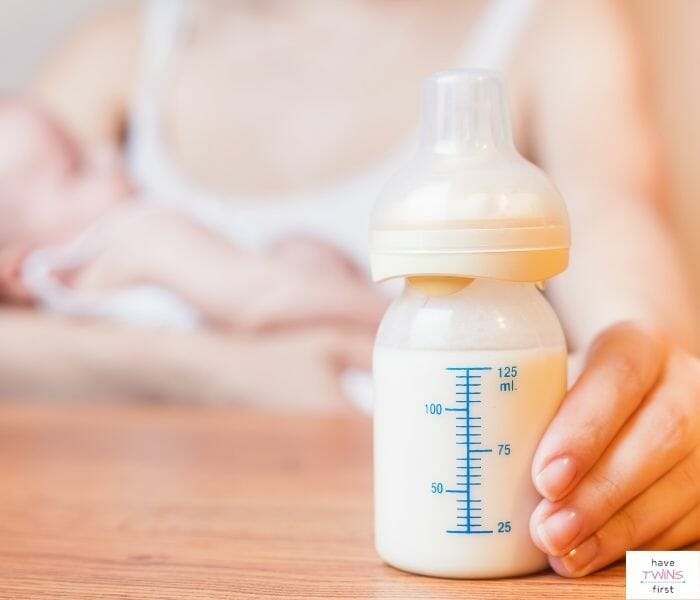
Expect a feed to take about 30-40 minutes with your baby suckling almost the whole time (if nursing). If you are formula feeding, you will be able to visually see how much your baby has eaten.
2 – Create a Simple Bedtime Routine
Believe it or not, even with a somewhat unpredictable newborn schedule, there is still a benefit from consistency in the long term. You can read up on this easy 5 minute baby bedtime routine to learn how to implement one.
3 – Prioritize Day–Night Confusion Fixes
Sometimes babies are born and have their days and nights mixed up. This was the case with one of my twins. We did the following and over the course of a few days to a week, our little one was on track to a more normal newborn schedule.
During the day you will want to keep lights bright, allow normal household noise, and wake for feeds (if needed). I never let my babies sleep more than 2.5 hours as newborns during the day. In the meantime, at night be sure to keep lights low, have minimal interaction, and keep feeds and diaper changes quiet.
4 – Learn How To Swaddle Tightly
Swaddling a newborn snugly helps recreate the secure, cozy feeling of the womb, which can significantly improve sleep. A tight swaddle prevents the startle reflex (also called the Moro reflex) from waking your baby suddenly.
It can also reduce fussiness and help newborns settle more easily between feeds. Here are my favorite swaddles to help get a nice, tight swaddle that makes your baby comfortable.
You might want to also checkout my favorite newborn sleep resource: The Happiest Baby on the Block Video
5 – Use Pacifiers
Pacifiers can help newborns sleep better because sucking is naturally calming and soothing for babies. The sucking motion helps regulate their nervous system, reduces fussiness, and makes it easier for them to settle between sleep cycles.
Pacifiers may also decrease the risk of sudden infant death syndrome (SIDS) when used during sleep times. For many newborns, a pacifier becomes a simple sleep cue that signals it’s time to rest. My favorite newborn pacifiers are:
When Do Newborns Start Sleeping Longer?
Many babies begin sleeping in one longer stretch of about 4–6 hours at night sometime between 6 and 12 weeks. In my house, we were lucky and got the longer night stretch at 6-8 weeks. To help support this development, use consistent routines and appropriate wake windows with your baby.
Common Newborn Sleep Mistakes to Avoid
The newborn stage is about rhythm and responsiveness, not rigid timing. Try not to fall into a pattern of using the newborn sleep mistakes listed below or you could be in for a lot of long days and nights.
- Keeping baby awake too long / letting your baby get overtired
- Expecting a strict schedule too early
- Skipping the bedtime routine
- Trying formal sleep training too soon (sleep training can start at 4-6 months)
A healthy newborn sleep schedule is flexible, cue-based, and focused on meeting your baby’s needs.
By watching wake windows, encouraging full feeds, and keeping a simple bedtime routine, you’ll build a strong sleep foundation that pays off in the months ahead. Stay consistent, stay patient, and remember longer sleep stretches are coming.